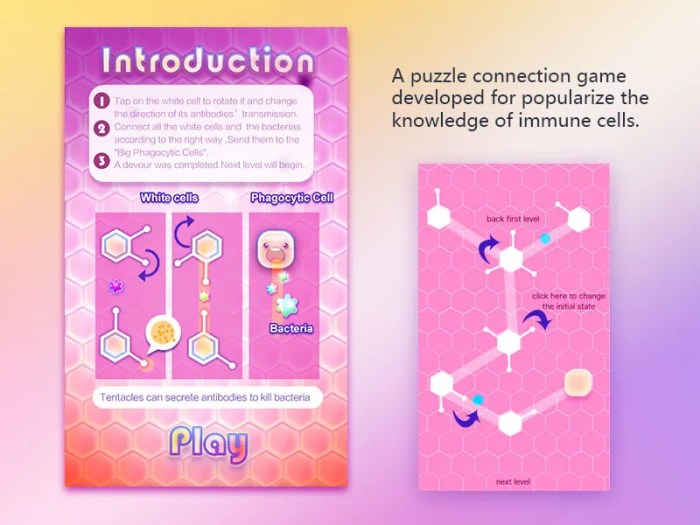
Delightful education games have transformed the way children learn by blending fun and education seamlessly. These games not only engage young minds but also foster a love for learning through interactive and enjoyable experiences.
The significance of integrating delightful games into education cannot be overstated, as they provide a refreshing approach to traditional learning methods. Popular titles capture children’s imaginations while imparting essential knowledge and skills, making learning an exciting adventure rather than a chore.
Introduction to Delightful Education Games
Delightful education games combine fun and learning, fostering an environment where children engage actively with educational material. These games capture the attention of young learners, turning what could be a mundane task into an enjoyable experience. The importance of such engaging educational games lies in their ability to enhance cognitive skills, promote critical thinking, and encourage collaboration among peers.Popular examples of delightful education games include “Minecraft: Education Edition,” which allows students to build and explore virtual worlds while learning about subjects like math, science, and history.
Another notable game is “Kahoot!,” where students can participate in quizzes and challenges, promoting a competitive and interactive learning atmosphere. These games exemplify how entertainment can be effectively integrated with education.
The Role of the Education Queen
The concept of an ‘Education Queen’ represents a key figure in the realm of educational game design, characterized by a deep understanding of pedagogy and a passion for learning. An Education Queen can influence game design by ensuring that the mechanics and narratives are aligned with educational goals, making learning both enjoyable and meaningful.They may advocate for educational philosophies that prioritize experiential learning, where players gain knowledge through immersive experiences and hands-on activities.
By promoting inclusive and diverse narratives, an Education Queen can help create games that resonate with a wide range of learners, ultimately enriching the educational landscape.
Exploring Delightful Education Concepts
Several elements contribute to making educational games delightful. These include engaging storylines, vibrant visuals, and interactive gameplay that captivates players. Striking a balance between fun and learning is essential; games that prioritize entertainment without compromising educational content are more likely to succeed.Delightful education games can foster a love for learning by encouraging exploration and curiosity. When children are excited about a game, they are more likely to delve deeper into the subject matter, making connections that enhance their understanding and retention of knowledge.
The Education Trap
The ‘Education Trap’ refers to the challenge of designing educational games that are both effective and engaging. Many games fail when they become overly focused on educational outcomes at the expense of enjoyment. Successful educational games, such as “Prodigy Math,” maintain a balance by integrating learning objectives seamlessly into the gameplay.To avoid falling into the Education Trap, game designers should prioritize playability and player engagement alongside educational content.
Strategies may include iterative testing, gathering feedback from users, and ensuring that educational elements enhance rather than detract from the gaming experience.
The Education Chop
‘Education Chop’ relates to game mechanics that disrupt the flow of learning and engagement. Certain game features, like excessive tutorials or forced breaks for instruction, can hinder the educational value of a game. For example, games that allow players to learn through exploration, such as “Zoombinis,” are typically more effective than those that rely on rote learning.Incorporating thoughtful game design principles, such as adaptive difficulty and player choice, can help mitigate the effects of Education Chop.
This approach keeps players invested in the learning process while ensuring that the educational content remains accessible and engaging.
The Education Destroyer
Elements that can lead to disengagement in educational games include poor user experience, lack of challenge, and inadequate feedback. A game that is frustrating to navigate or fails to provide positive reinforcement can negatively impact educational outcomes. For instance, if players do not see their progress or receive constructive feedback, their motivation may wane.To design games that are both engaging and effective, developers must focus on creating intuitive interfaces, offering meaningful rewards, and providing opportunities for collaboration and social interaction.
These design choices can significantly enhance the overall user experience and educational value.
Skipping Traditional Methods
Delightful games can replace innovative educational methods that often fall short of engaging modern learners. Traditional lecture-based approaches may not hold the attention of today’s students, whereas game-based learning fosters active participation and critical thinking. Examples of delightful education games that help circumvent traditional learning barriers include “Epic!” and “Scratch,” both of which provide interactive platforms that promote reading and coding skills in engaging ways.
These games illustrate how technology can create dynamic learning environments that effectively engage students.
Grating Impact of Play
Play can sometimes grate against conventional learning styles, yet it also enhances understanding by catering to different cognitive processes. Gamification in education has psychological effects that encourage positive attitudes toward learning. Engaging in play-based activities can lead to deeper comprehension and retention of material compared to standard instructional methods.Educators can integrate play into learning by using games that encourage collaboration, problem-solving, and creativity among students.
This approach not only enhances understanding but also cultivates a classroom environment that values exploration and innovation.
Learning through Play
Children learn best through play, which allows them to experiment and discover new concepts in a safe environment. Several learning theories, such as constructivism, support the idea that game-based learning can facilitate deeper comprehension by allowing learners to engage with content actively.Delightful education games, like “Osmo,” exemplify how playful experiences can lead to meaningful learning. By providing interactive activities that align with educational standards, these games create opportunities for children to explore complex ideas while having fun.
Embracing Zany Ideas
Creativity and zany ideas are crucial in game design, as they can capture attention and stimulate interest. Successful educational games often incorporate playful elements that make learning enjoyable. For instance, “The Endless Alphabet” uses whimsical animations and silly characters to teach vocabulary in a fun and engaging way.Zany concepts can enhance engagement by breaking the monotony of traditional learning approaches.
They invite players to think outside the box, fostering creativity and encouraging innovative problem-solving strategies.
The Twist of Learning Styles
Various learning styles exist, and delightful games can accommodate these differences effectively. Incorporating twists in gameplay, such as narrative changes or unexpected challenges, can cater to diverse learners, making content accessible to all.Games like “Minecraft” exemplify this by allowing players to approach tasks in multiple ways, appealing to visual, auditory, and kinesthetic learners alike. By recognizing and addressing different learning styles, designers can create inclusive games that promote educational success.
Elbowing Through Challenges
Creating delightful education games comes with challenges, such as balancing educational content with engaging gameplay. Game designers must navigate obstacles like budget constraints and varying educational standards. Solutions include collaborating with educators to ensure alignment with curricular goals and gathering player feedback to refine the gaming experience. By embracing iterative design processes, developers can elbow their way through barriers to deliver effective game-based learning solutions.
Whipping Up Engagement
Techniques to whip up excitement in educational games include adding interactive features that encourage player participation. Examples of such features are collaborative tasks, real-time challenges, and personal achievements that foster a sense of accomplishment.Feedback and rewards play a significant role in maintaining player motivation. Games that recognize progress and provide incentives for learning can create an engaging environment that keeps players eager to explore and learn.
Final Summary
In summary, delightful education games serve as a powerful tool in modern learning environments, captivating students and enhancing their educational experiences. By embracing innovative game design and focusing on engagement, educators can create a pathway for effective learning that resonates with diverse learners.
Questions Often Asked
What are delightful education games?
Delightful education games are interactive games designed to make learning enjoyable and engaging for children.
How do these games benefit children’s learning?
They enhance motivation, foster creativity, and improve retention of knowledge through fun and interactive experiences.
Can delightful education games replace traditional teaching methods?
While not a complete replacement, they can supplement traditional methods by making learning more engaging and effective.
What age group benefits most from these games?
Children of all ages can benefit, but they are particularly effective for younger learners who thrive on interactive play.
Are there specific subjects that are better suited for education games?
Math, language arts, science, and social studies often see great success with educational games tailored to those subjects.