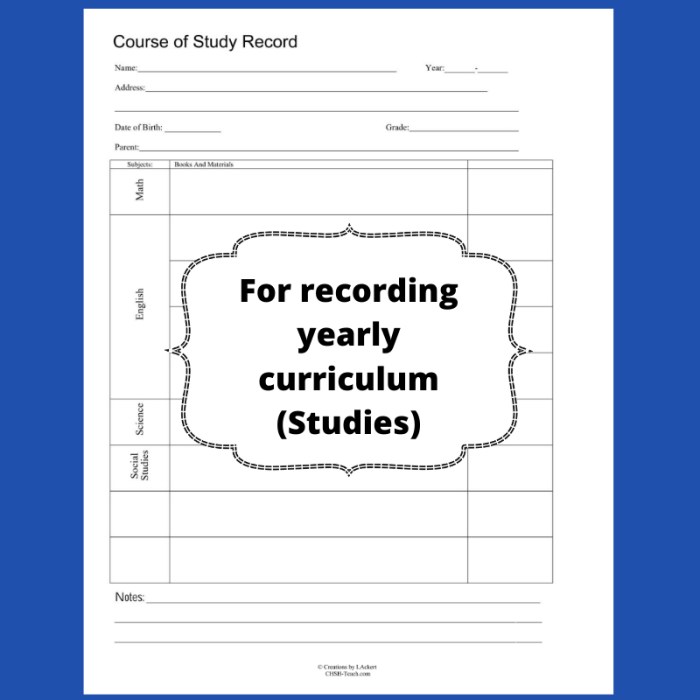
Recorded-learned course summaries are transforming the way we engage with educational content, offering a concise yet comprehensive overview that enhances understanding and retention. These summaries serve as essential tools for students and educators alike, distilling complex information into digestible insights that facilitate deeper learning experiences.
In today’s fast-paced educational landscape, the ability to summarize and synthesize information is more critical than ever. By leveraging recorded summaries, learners can revisit key concepts with ease, ensuring that knowledge is not only acquired but retained effectively.
Overview of Recorded-Learned Course Summaries
Recorded-learned course summaries are concise overviews of educational content, designed to encapsulate key points and concepts for easier understanding and retention. These summaries play a crucial role in education, ensuring that complex information is distilled into manageable segments that enhance learning effectiveness. For instance, a well-crafted summary of a history lecture might highlight significant events and their implications, making it easier for students to grasp and recall the material during exams.
Importance of Summarizing Educational Content
Summarizing educational content is vital for several reasons:
- Facilitates better comprehension: Summarization allows students to focus on essential concepts rather than getting lost in extensive details.
- Enhances retention: Students are more likely to remember information that has been effectively summarized.
- Encourages active learning: Crafting summaries encourages students to engage with the material, promoting deeper understanding.
Effective recorded-learned course summaries often include bullet points, visual aids, and clear language, making them useful tools for both teaching and learning.
The Role of Recorded-Learned Course Summaries in Education
Recorded-learned course summaries significantly enhance the learning experience by providing a structured approach to information retention. By summarizing key points, educators can support students in retaining and recalling information more efficiently. For example, a summary of a science class could emphasize critical experiments and their outcomes, aiding students in grasping complex concepts.
Support for Student Retention and Recall
Summaries promote better retention and recall through methods such as:
- Chunking information: Breaking down content into smaller, digestible parts makes it easier to remember.
- Repetition: Summaries allow for quick review of important points, reinforcing learning.
- Visual aids: Incorporating diagrams or flowcharts in summaries can enhance memory retention.
In contrast to traditional learning methods that often rely heavily on lectures or textbooks, summary-based approaches prioritize clarity and conciseness, fostering a more engaging learning environment.
Education Queen
The concept of the ‘Education Queen’ refers to an effective educational leader who excels in crafting and utilizing course summaries. This leader embodies qualities such as clarity of communication, creativity in presentation, and a deep understanding of student needs.
Qualities of an Effective Educational Leader
To embody the ‘Education Queen’ in course creation, one should focus on:
- Empathy: Understanding diverse learning styles helps in tailoring summaries that resonate with all students.
- Innovation: Incorporating new technologies and methods keeps course summaries fresh and engaging.
- Collaboration: Working with peers to create comprehensive summaries enhances the overall quality of educational resources.
Education Delightful
Creating delightful educational experiences through course summaries can greatly enhance student engagement and enjoyment. An engaging summary captures the essence of the material while maintaining a fun, approachable tone.
Making Recorded Summaries Engaging
Methods to create enjoyable summaries include:
- Storytelling: Using narratives to illustrate concepts makes learning more relatable.
- Interactive elements: Incorporating quizzes or polls within summaries encourages active participation.
- Visual design: Utilizing colorful graphics and appealing layouts can make summaries visually stimulating.
Positive learning experiences foster a love for learning and motivate students to explore further.
Education Trap
While creating recorded-learned course summaries, it’s essential to avoid common pitfalls that can dilute their effectiveness. Oversimplification is a significant risk that can lead to a lack of depth in understanding.
Avoiding Oversimplification
To ensure that summaries maintain their integrity and depth, consider the following techniques:
- Incorporate examples: Real-world applications of concepts can help illustrate their relevance and importance.
- Encourage critical thinking: Pose questions or challenges that prompt students to think critically about the material.
- Use varied sources: Drawing from multiple resources can provide a more nuanced understanding of complex topics.
Education Chop
Effectively chopping complex topics into digestible summaries requires a methodical approach. This process involves identifying the core elements of a subject and presenting them clearly.
Breaking Down Difficult Subjects
A step-by-step method for summarization includes:
- Identify key concepts: Start by determining the main ideas that must be conveyed.
- Organize information: Structure the content logically, starting with foundational concepts before moving to advanced topics.
- Simplify language: Use straightforward vocabulary to ensure accessibility for all students.
Concise information delivery benefits education by preventing cognitive overload and enhancing comprehension.
Education Destroy
Misinformation can easily infiltrate educational summaries, which is why it’s critical to verify sources and ensure factual accuracy.
To combat misinformation, educators should:
- Cross-check facts: Always verify information against reputable sources.
- Encourage critical thinking: Teach students to question and analyze the material critically.
- Provide clear citations: Including references allows students to pursue further investigation into topics.
Promoting critical thinking skills helps students discern fact from fiction in their studies.
Education Skip
There are scenarios where skipping details in summaries is acceptable, particularly when it maintains focus on essential concepts.
Balancing Brevity and Thoroughness
Finding the right balance between brevity and thoroughness involves:
- Prioritizing key points: Focus on the most critical information relevant to learning objectives.
- Using bullet points: Summarizing with concise bullet points can effectively communicate essential concepts.
- Being selective: Understand when details are superfluous and can be omitted without losing meaning.
Education Grate
Grating down course content into essential points allows educators to highlight critical information effectively.
Identifying Key Themes
Methods for identifying and emphasizing key themes include:
- Mind mapping: Visualizing concepts can help isolate major themes.
- Class discussions: Engaging students in conversations can reveal which points resonate most with them.
- Reviewing assessments: Analyzing quiz or exam results can indicate which areas require further emphasis in summaries.
Education Learned
The distinction between learned knowledge and recorded summaries is significant. While recorded summaries encapsulate information, true learning comes from understanding and application.
Enhancing Learned Experiences through Summarization
Recorded summaries can enhance learning experiences by:
- Reinforcing concepts: Summaries can serve as quick reminders for students before assessments.
- Facilitating review: Summaries enable efficient revision, helping students to consolidate their knowledge.
- Building connections: Good summaries link new information to prior knowledge, deepening understanding.
Education Faint
Faint educational content lacks clarity and can hinder effective learning. Recognizing signs of this deficiency is essential for improvement.
Enhancing Clarity in Course Summaries
To make faint concepts more vivid, consider:
- Using analogies: Relating new information to familiar ideas can enhance clarity.
- Incorporating examples: Specific instances can illustrate abstract concepts and enhance understanding.
- Providing context: Situating information within a broader framework helps clarify its importance.
Education Comb
Combing through course materials to extract key points necessitates a structured approach. This method enhances the efficiency of summarization.
Organizing Information Effectively
A structured approach includes:
- Creating an Artikel: Drafting a preliminary Artikel can help organize thoughts and points.
- Using color-coding: Highlighting different themes or topics can aid quick reference.
- Employing digital tools: Utilizing apps or software designed for note-taking can streamline the summarization process.
Education Zany
Incorporating zany elements into course summaries can capture students’ attention and make learning enjoyable.
Creative Approaches to Engage Students
Strategies for creating quirky summaries include:
- Humorous anecdotes: Injecting humor can make the material more relatable.
- Unexpected analogies: Using unique comparisons can stimulate interest and retention.
- Interactive formats: Gamifying summaries with challenges can keep learners engaged.
Education Twist
Giving a fresh twist to standard course summaries involves innovative techniques that maintain student interest.
Presenting Educational Content Creatively
Creative presentation techniques might include:
- Multimedia elements: Integrating videos or podcasts can enhance engagement.
- Story-based summaries: Crafting narratives around key points resonates well with students.
- Dynamic visuals: Employing animations or infographics can make summaries visually appealing.
Education Elbow
The concept of ‘education elbow’ refers to collaborative efforts in creating effective course summaries.
Benefits of Teamwork in Summarization
Collaboration among educators and students can yield numerous benefits:
- Diverse perspectives: Teamwork encourages sharing of various viewpoints, enriching the summary.
- Shared responsibility: Collaborating on summaries lightens the workload and increases engagement.
- Peer feedback: Working as a team allows for constructive criticism, enhancing the quality of content.
Education Whip
Whipping up engaging and concise course summaries requires attention to pacing and rhythm in content delivery.
Maintaining Student Attention
Tips for keeping students motivated include:
- Short bursts of information: Presenting content in small, manageable portions can enhance focus.
- Varying delivery: Alternating between formats, such as lecture and interactive discussions, keeps engagement high.
- Incorporating pauses: Allowing moments for reflection helps students process information effectively.
Final Review
In conclusion, recorded-learned course summaries play a vital role in modern education by bridging the gap between information overload and meaningful learning. As we continue to explore innovative approaches to education, these summaries will undoubtedly remain a cornerstone in promoting effective and enjoyable learning experiences.
FAQ Guide
What are recorded-learned course summaries?
They are concise overviews of educational content designed to enhance understanding and retention.
How do these summaries benefit students?
They help reinforce key concepts and improve recall, making study sessions more efficient.
Can recorded summaries be used in all subjects?
Yes, they can be adapted to various subjects, making complex topics more approachable.
How often should students review recorded summaries?
Regular review, ideally within a few days after learning, can significantly boost retention.
Are recorded summaries effective for all learning styles?
They are versatile and can be tailored to meet different learning preferences, enhancing accessibility.