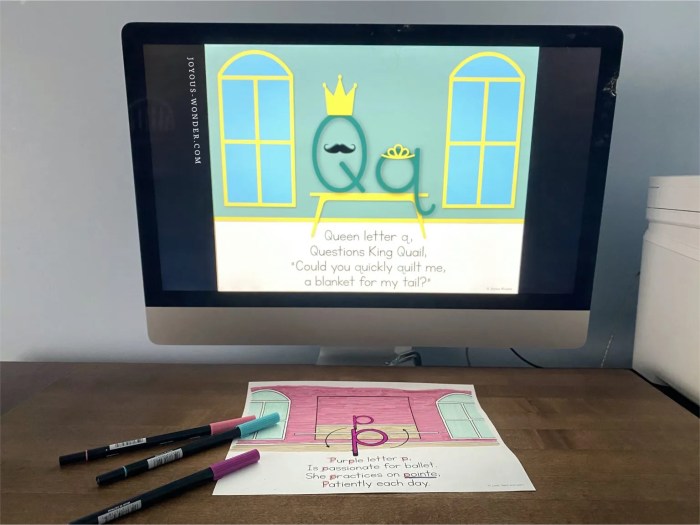
Grate handwriting evaluation sets the stage for this enthralling narrative, offering readers a glimpse into a story that is rich in detail and brimming with originality from the outset.
Handwriting evaluation is crucial in educational settings, helping educators assess student progress and identify areas for improvement. Factors such as the legibility, consistency, and overall presentation of handwriting contribute to what is deemed ‘grate’ handwriting. By understanding common evaluation criteria, educators can foster better writing skills among students, ultimately enhancing their communication abilities and confidence.
Understanding Grate Handwriting Evaluation
Handwriting evaluation plays a crucial role in educational settings, serving as a reflection of students’ cognitive and motor skills. It encompasses various aspects of writing, enabling educators to gauge a student’s progress, identify challenges, and tailor instruction accordingly. Understanding what constitutes ‘grate’ handwriting quality can significantly influence a student’s educational experience.
Significance of Handwriting Evaluation
Evaluating handwriting is essential for several reasons:
- It helps identify students who may need additional support in fine motor skills.
- It allows teachers to assess overall communication abilities.
- It provides insights into a student’s organizational skills and cognitive processes.
Factors Contributing to Grate Handwriting Quality
Several factors contribute to the quality of handwriting, including:
- Fine motor skills development, which is crucial for letter formation.
- Proper grip and posture while writing, affecting control and fluidity.
- Consistent practice and exposure to writing materials.
Common Handwriting Evaluation Criteria
Educators utilize various criteria when evaluating handwriting, such as:
- Legibility: Clarity and readability of the written text.
- Consistency: Uniformity in letter size, spacing, and style.
- Alignment: Proper placement of letters on the line.
The Role of Handwriting in Education
Handwriting significantly impacts student learning and communication skills. It is not merely a mechanical task; it also influences how students express their thoughts and ideas. The way one writes can affect their ability to communicate effectively in both academic and personal contexts.
Impact on Student Learning and Communication
Handwriting can enhance educational outcomes through:
- Improved retention of information when students write by hand.
- Encouragement of creativity and expression through personalized handwriting styles.
- Facilitation of clear communication in written assignments, fostering better understanding.
Psychological Effects of Handwriting on Confidence
The quality of one’s handwriting can greatly influence a student’s confidence. A well-formed script tends to encourage positive feedback, leading to increased self-esteem.
Promoting Better Handwriting Practices
Educators can adopt various strategies to enhance handwriting skills, such as:
- Incorporating handwriting into daily activities and assignments.
- Providing constructive feedback that focuses on improvement.
- Utilizing engaging activities that make handwriting practice fun.
Techniques for Improving Handwriting
There are numerous methods teachers can utilize to assist students in enhancing their handwriting. This process requires a mix of structured practices and creative exercises to cater to diverse learning needs.
Effective Methods for Teachers
Some effective methods include:
- Implementing consistent practice sessions focusing on letter formation.
- Using tracing exercises to build muscle memory.
- Integrating technology, such as handwriting apps, for interactive learning.
Recommended Handwriting Exercises
Here are some recommended exercises for various age groups:
| Age Group | Exercise |
|---|---|
| Preschoolers | Sand writing for tactile engagement. |
| Elementary | Letter formation worksheets focusing on consistency. |
| Middle School | Creative journaling to practice handwriting in context. |
Step-by-Step Guide for Handwriting Improvement Plan
Designing a handwriting improvement plan can be facilitated through the following steps:
- Assess the current level of handwriting quality.
- Set specific, measurable goals for improvement.
- Implement structured practice routines and monitor progress.
The Intersection of Creativity and Handwriting
Integrating creativity into handwriting practice can transform a mundane task into an exciting venture. Engaging activities not only foster better handwriting skills but also stimulate students’ imaginations.
Creative Approaches to Handwriting
Creative methods can include:
- Using colored pens and unique materials for varied textures.
- Incorporating drawing and doodling to encourage freedom in writing.
- Organizing handwriting competitions with fun themes.
Fun Activities for Handwriting Practice
Some zany and enjoyable activities might entail:
- Creating storybooks where students write and illustrate their narratives.
- Hosting “write-a-thons” that combine writing with storytelling.
- Encouraging students to write letters to fictional characters.
Educational Tools Blending Creativity with Handwriting
Several tools can enhance the creative aspect of handwriting, such as:
- Handwriting apps that gamify the learning process.
- Specialty notebooks with creative prompts for writing.
- Artistry-focused writing tools that encourage exploration.
The Impact of Technology on Handwriting
Technology is reshaping traditional handwriting practices in classrooms, providing both challenges and opportunities.
Digital Tools Changing Handwriting Practices
The emergence of digital tools has made a significant impact:
- Tablets and styluses that mimic the experience of writing on paper.
- Apps designed to improve handwriting through engaging exercises.
- Online platforms that allow for collaborative writing experiences.
Comparison of Traditional and Modern Approaches
When comparing traditional handwriting methods with modern technology-assisted approaches, several differences arise:
- Traditional methods emphasize penmanship skills through repetition.
- Modern approaches incorporate instant feedback and adaptive learning paths.
- Technology offers accessibility for students with various learning needs.
Benefits and Drawbacks of Technology
While technology offers numerous benefits for handwriting development, it also presents challenges:
- Benefits include increased engagement and tailored learning experiences.
- Drawbacks involve potential over-reliance on devices, diminishing traditional skills.
Evaluating Handwriting: A Comprehensive Approach
Conducting a comprehensive handwriting evaluation requires a systematic framework to ensure a thorough understanding of a student’s abilities and challenges.
Framework for Handwriting Evaluation
A detailed framework can consist of:
- Assessment of legibility and overall presentation of writing.
- Feedback sessions to discuss evaluation outcomes with students.
- Observation of writing habits and potential areas for improvement.
Importance of Feedback in Handwriting Assessment
Feedback plays a vital role in handwriting assessment, offering:
“Constructive criticism that focuses on growth can significantly boost a student’s performance.”
Strategies for Student Self-Assessment
Involving students in their assessment can empower them, leading to:
- Opportunities for self-reflection on their handwriting skills.
- Setting personal goals for improvement based on evaluations.
- Encouraging a growth mindset regarding their handwriting journey.
Addressing Common Handwriting Issues
Frequent handwriting problems can hinder students’ performance, but identifying these issues and proposing solutions can foster improvement.
Frequent Handwriting Problems and Solutions
Common issues include:
- Poor letter formation due to lack of practice; remedied by structured drills.
- Inconsistent spacing; addressed through guided exercises.
- Difficulty maintaining control; improved with grip training tools.
Helping Students with Fine Motor Skills Struggles
For students facing challenges with fine motor skills, educators can:
- Provide targeted exercises to strengthen hand muscles.
- Utilize adaptive writing tools to enhance grip and control.
- Incorporate playful activities that develop motor skills naturally.
Role of Patience and Encouragement
Overcoming handwriting challenges requires patience and encouragement from educators, which supports:
- A nurturing environment fostering improvement over perfection.
- Open communication about struggles and achievements.
- A focus on individual progress and celebrating milestones.
The Future of Handwriting in Education
As education evolves, so too does the role of handwriting and its evaluation within the curriculum. Looking ahead, several trends are likely to shape this aspect of learning.
Trends in Handwriting and Evaluation
Future trends may include:
- Increased integration of handwriting instruction with digital literacy.
- Focus on interdisciplinary approaches, linking handwriting with art and technology.
- Emphasis on personal expression and creativity in handwriting tasks.
Potential Role of Artificial Intelligence
Artificial intelligence could revolutionize handwriting assessment by providing:
- Real-time feedback through smart writing tools.
- Customized learning experiences based on individual progress.
- Data-driven insights that help educators tailor instruction effectively.
Adapting to Changes in Handwriting Relevance
To adapt to these changes, educators will need to:
- Stay informed about technological advancements and their impact on teaching.
- Incorporate handwriting into a broader framework of communication skills.
- Encourage students to find their unique voice through handwriting in a digital age.
Epilogue
In conclusion, the journey through grate handwriting evaluation highlights its importance in education, the role of creativity, and the influence of technology. By implementing effective evaluation techniques and fostering an environment of encouragement, educators can significantly impact students’ handwriting and overall learning experience. Looking forward, adapting to the evolving landscape of handwriting will ensure that these essential skills remain relevant in educational curricula.
Helpful Answers
What is the purpose of handwriting evaluation?
Handwriting evaluation aims to assess students’ writing skills to improve their communication abilities and confidence levels.
How can handwriting affect a student’s learning?
Handwriting can influence a student’s ability to express ideas clearly and affects their overall academic performance.
What are common problems students face with handwriting?
Common issues include illegibility, inconsistency in size and spacing, and difficulty with fine motor skills.
How can technology aid in handwriting development?
Technology can provide interactive tools and apps that assist students in practicing handwriting more engagingly and effectively.
What role does feedback play in handwriting evaluation?
Feedback is essential as it helps students understand their strengths and weaknesses, guiding them towards improvement.


